
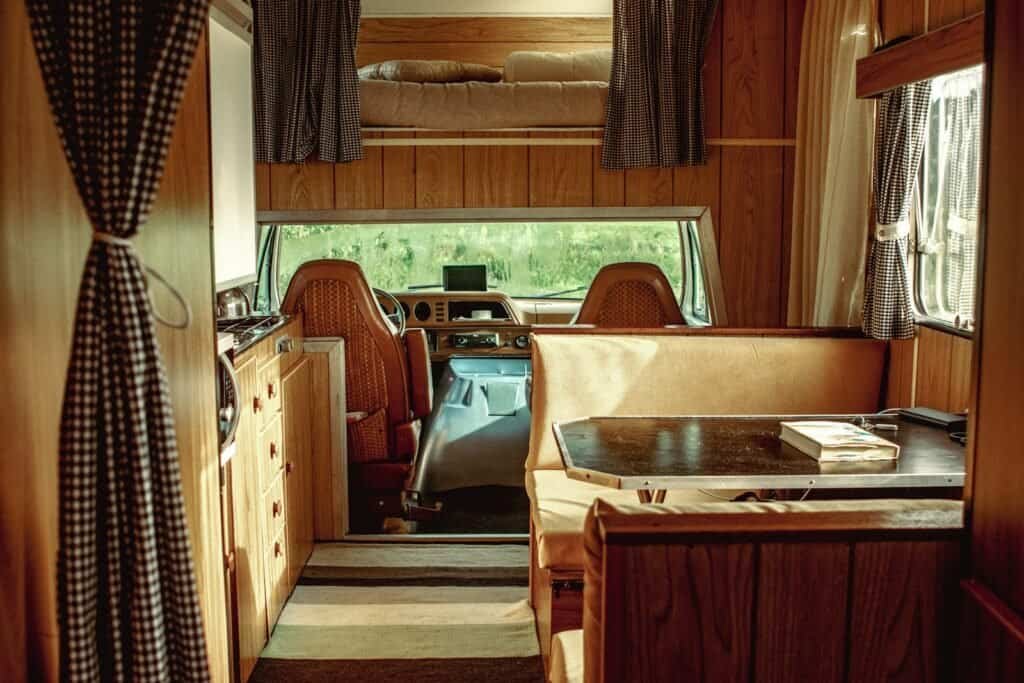
If you just bought a used motorhome and the moment you opened the door it smelled like an ashtray, you are not alone. Learning how to remove cigarette smoke smell from a used RV is one of the most common questions new RV owners in Arizona ask us. The good news: the smell can be removed for good. The bad news: air fresheners, open windows and a quick wipe-down will not do it, because the odor lives inside the RV itself, not just in the air.
This guide walks you through why smoke odor clings to RVs, a step-by-step cleaning plan you can do yourself, and when a professional fogging treatment is the smarter move.
- Smoke smell in an RV comes from thirdhand smoke: nicotine and tar residue stuck to fabrics, headliners, cabinets, ductwork and the roof AC unit.
- Deep cleaning removes surface residue, but odor trapped in porous materials usually needs a gas treatment such as chlorine dioxide (ClO2).
- Masking sprays and ozone generators often leave the smell behind or bring it back on hot days.
- Always replace the AC and furnace filters and clean the ducts, or the smell will keep recirculating.
Why Cigarette Smoke Smell Stays in a Used RV
When someone smokes inside a motorhome, the smoke does not simply float away. Tiny particles of nicotine, tar and other chemicals settle on every surface and soak into anything soft. Researchers call this leftover residue thirdhand smoke. It keeps releasing odor long after the last cigarette, and it reacts with indoor air to form new compounds.
RVs are especially bad at hiding it. A Class C motorhome or travel trailer packs a lot of absorbent material into a very small space: carpet, upholstered dinette cushions, mattresses, curtains, day/night shades and a fabric or vinyl headliner. Researchers at San Diego State University, led by Dr. Georg Matt, sampled 250 rental cars and found that even cars sold as “non-smoking” carried about three times more nicotine in dust and ten times more on surfaces than smoke-free private cars. They pointed to carpets, liners, upholstery and the ventilation system as the materials that hold residue. An RV has all of those, just more of them.
Arizona heat makes it worse. When an RV sits in the sun in Phoenix or Quartzsite, interior temperatures climb fast, and heat pushes trapped residue back into the air. That is why many owners say the RV “smelled fine at the dealer” but reeks after a summer afternoon. If your home has the same problem, our smoke odor removal service treats houses with the same method we use on vehicles.
Where Smoke Odor Hides in a Motorhome or Camper
Before you start cleaning, it helps to know exactly where the smell is coming from. In most used RVs we treat, the odor is concentrated in these places:
| Area | Why it holds odor | What to do |
|---|---|---|
| Headliner and ceiling panels | Smoke rises and sticks to the ceiling first | Gentle degreasing wipe, then gas treatment |
| Cushions, mattress, curtains | Foam and fabric absorb residue deep inside | Wash covers, steam clean, treat foam |
| Carpet and pad | Ash and residue settle into the fibers and pad | Hot water extraction or replacement |
| Roof AC unit and ducts | Recirculates smoky air every time it runs | New filter, clean ducts, treat system |
| Cabinets, blinds, walls | Sticky yellow-brown film on hard surfaces | Degreaser wipe-down, rinse |
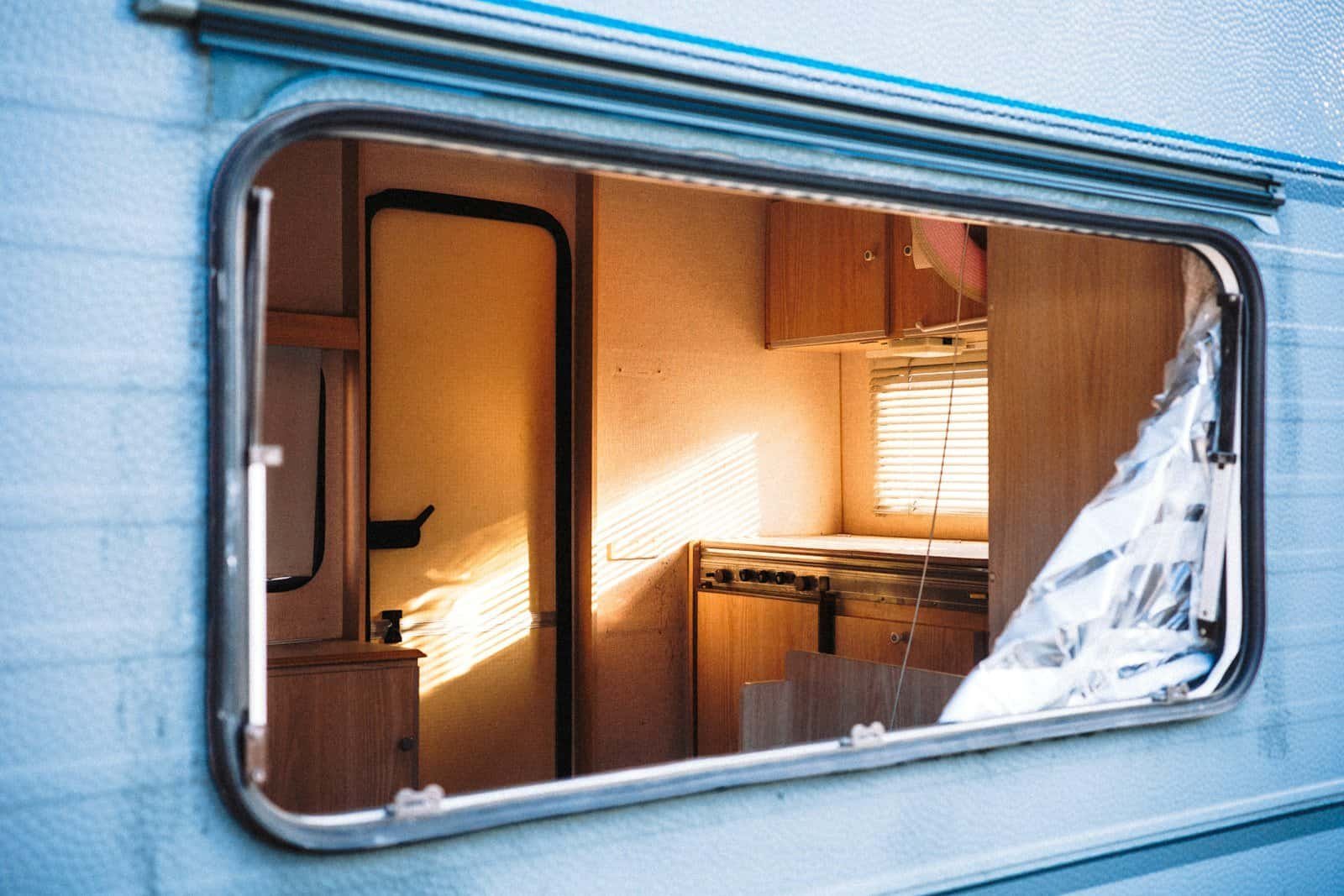
How to Remove Cigarette Smoke Smell From a Used RV: Step-by-Step
Follow these steps in order. Skipping straight to deodorizing without cleaning first is the number one reason the smell comes back.
- Empty and air it out. Remove all bedding, rugs, curtains, cushions you can unzip, and personal items. Open every window, roof vent and door, and run the roof vent fan for a few hours.
- Remove the obvious sources. Throw out old ashtrays, cigarette butts in drawers, and stained filters. Check under seats and inside storage bays.
- Wash every hard surface. Use a degreasing cleaner or a mix of warm water and white vinegar on walls, cabinets, countertops, blinds, window frames and the dashboard. Work from the ceiling down and change your rag often, because it will turn yellow.
- Deep clean soft surfaces. Machine wash curtains and cushion covers. Steam clean or use hot water extraction on carpet and the dinette. Sprinkle baking soda on carpet and mattress, leave it overnight, then vacuum with a HEPA vacuum.
- Clean the AC and ventilation. Replace the roof AC return filter and furnace filter, then wipe or vacuum the ceiling ducts and vents.
- Absorb what is left. Place bowls of activated charcoal around the RV for a few days to soak up light lingering odor.
- Treat the odor at the source. If you can still smell smoke after the RV sits closed in the sun for a day, the residue is inside the materials. This is when a chlorine dioxide fogging treatment is needed.
Step 5 is the one most owners forget. The roof AC on an RV pulls air across the whole coach, so a dirty filter keeps spreading smoke smell after everything else is clean. Our guide on changing HVAC filters for odor removal explains why filters matter so much.
After cleaning, close the RV up on a sunny day for a few hours, then open the door and take one breath. Heat releases trapped odor, so if it smells clean hot, it will smell clean all year.
What Does Not Work for RV Smoke Odor
Many owners waste weeks and money on methods that only cover the smell for a short time:
- Air fresheners and scented sprays: they mix with smoke and create a “perfumed ashtray” smell.
- Only opening windows: fresh air helps, but it cannot pull residue out of foam and carpet.
- Ozone generators: ozone can reduce some odor, but it is harsh on rubber seals and fabrics, and it can leave the RV with its own sharp smell. The U.S. EPA has also warned that ozone at levels safe for people does little to clean indoor air.
- Painting over stained panels: without cleaning and an odor-blocking primer, smoke smell bleeds back through.
We break down the differences in detail in ozone vs chlorine dioxide for smoke odor removal, which is worth reading before you rent or buy an ozone machine.
Professional Chlorine Dioxide Treatment for RV Smoke Odor
Chlorine dioxide is a gas that works by oxidation. Its very small molecules move into the same places smoke went: foam cushions, carpet pad, behind panels, inside the ducts and up into the headliner. There it breaks down the odor-causing molecules instead of covering them. When the treatment is finished and the RV is aired out, the main by-products are simply salt and water, so there is no perfume or chemical smell left behind.
Because an RV is a small, closed space, it is ideal for a gas treatment. We treat motorhomes, fifth wheels, travel trailers and camper vans across the Valley, usually in a single visit. You can see examples of vehicle and camper work on our smoke odor removal for vehicles and RVs page.
For a small camper van or a light odor problem, a do-it-yourself chlorine dioxide kit can be enough. Our DIY car odor removal kit uses the same chemistry as our professional service and works well in small spaces when you follow the directions carefully.
DIY Cleaning vs Professional RV Smoke Odor Removal
| Factor | DIY cleaning and kits | Professional ClO2 treatment |
|---|---|---|
| Best for | Light odor, small camper vans | Heavy smoker RVs, Class A and Class C motorhomes |
| Reaches foam, ducts and headliner | Partly | Yes, the gas reaches porous materials |
| Time needed | 1 to 3 days of work | A few hours plus airing out |
| Smell after a hot day | May come back | Stays gone once the source is cleaned |
| Risk of damage | Low | Low when done by trained technicians |
Never sleep in or occupy an RV during any gas treatment. People and pets must stay out until the treatment is complete and the coach has been fully ventilated.
Buying a Used RV That Smells Like Smoke? Read This First
A former smoker’s RV can be a great deal, since many buyers walk away from the smell. Before you sign, look for yellow stains on the ceiling around roof vents, check the AC filter, smell the inside of upper cabinets, and lift a corner of the carpet. Heavy staining means more cleaning, but in our experience almost every RV can be made odor-free once the source is cleaned and treated.
Many of our RV customers are snowbirds and retirees in the West Valley who store their rigs between seasons. If you live in that area, our team serves the Sun City, AZ area and nearby communities.
Frequently Asked Questions About RV Smoke Smell Removal
How long does it take to get smoke smell out of an RV?
A full deep clean takes one to two days. A professional chlorine dioxide treatment usually takes a few hours plus airing out time, and most RVs are ready to use the same or next day.
Does cigarette smoke smell ever go away in an RV on its own?
Not completely. Airing out may make it lighter, but nicotine and tar residue stay in the headliner, foam and carpet and release odor again every time the RV heats up.
Can I use an ozone generator to remove smoke smell from my camper?
You can, but ozone is hard on rubber seals, plastics and fabrics, and it often leaves its own smell. Chlorine dioxide reaches deeper into porous materials and is usually the better choice for RVs.
Do I need to replace the carpet and cushions in a smoker RV?
Usually not. Most carpet and cushions can be saved with hot water extraction and a chlorine dioxide treatment. Replacement is only needed when material is badly stained, burned or worn out.
How do I get smoke smell out of the RV air conditioner?
Replace the roof AC return filter and furnace filter, vacuum and wipe the ceiling ducts and vents, then run the AC during a chlorine dioxide treatment so the gas reaches the whole system.
Is it worth buying a used RV that smells like smoke?
Often yes. Smoke odor lowers resale value, so you may get a better price, and the smell can almost always be removed with proper cleaning and treatment.
We remove cigarette and marijuana smoke odor from motorhomes, travel trailers and camper vans across the Phoenix area. Call 602-755-9335 or request a quote online.
- San Diego State University, Dr. Georg Matt et al., study of tobacco residue in 250 “smoke-free” rental cars.
- U.S. Environmental Protection Agency (EPA), guidance on ozone generators sold as air cleaners.
- NIOSH Pocket Guide to Chemical Hazards: Chlorine Dioxide.
Our team at Master Germ and Odor Removal has helped Arizona RV owners, homeowners and businesses get rid of stubborn odors with safe, non-toxic methods for years.
Every treatment is handled by trained technicians who know how odor behaves in small spaces like motorhomes and travel trailers. You can learn more about our odor removal specialists and how we work before you book.
Ready to make your RV smell new again? Schedule your RV smoke odor treatment and our team will get back to you quickly with available times.