
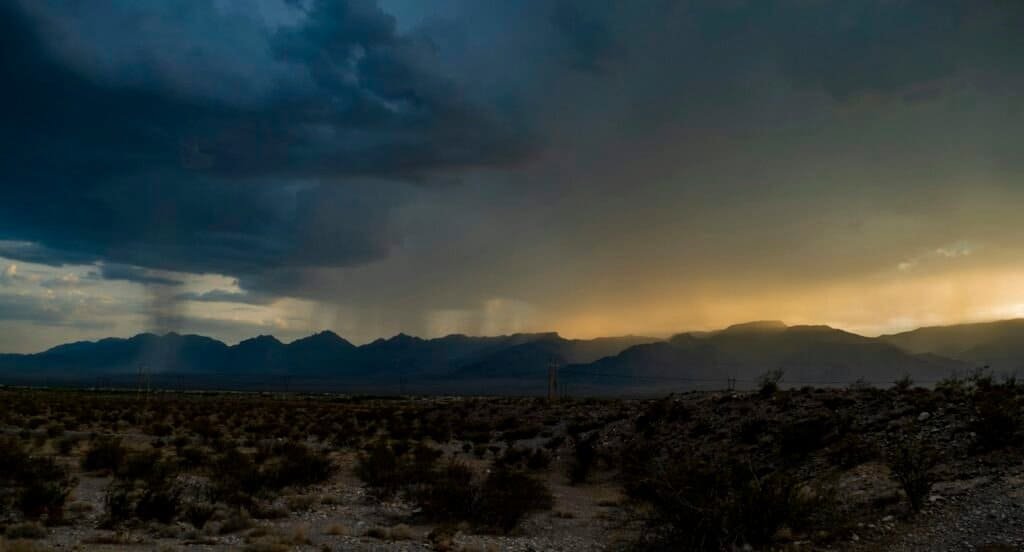
Every summer, Phoenix homeowners notice the same thing: a storm rolls through, the air turns sticky, and a day or two later the house starts to smell like an old basement. A musty smell after monsoon storms in your Arizona home is a warning sign that moisture got inside and mildew or mold has started to grow. In a desert city where homes are built for dry heat, even a few humid weeks can cause a stubborn odor problem.
This guide explains why the monsoon causes musty odors, where to look for the source, how to get rid of the smell, and when it is time to call a professional.
- The Arizona monsoon runs from June 15 to September 30, and its humidity lets mildew grow in homes built for dry air.
- Musty smell is caused by gases released by mold and mildew growing on damp materials.
- The most common sources are swamp coolers, AC drain lines, roof leaks, closets and carpet.
- Keep indoor humidity below 60% and dry anything wet within 24 to 48 hours to stop new growth.
Why Does My House Smell Musty After Rain in Arizona?
The National Weather Service defines Arizona’s monsoon season as June 15 through September 30. Before 2008, forecasters marked the start of the monsoon using dew point readings, because the season is really about one thing: moisture. During these months, dew points across the Valley rise sharply, storms bring sudden heavy rain, and wind can drive water into roofs, windows and stucco cracks.
Mold and mildew spores are always present in the air. They just need moisture to grow. When indoor humidity climbs and a damp spot stays wet for a day or two, those spores start growing on drywall, wood, fabric and dust. As they grow, they release gases known as microbial volatile organic compounds (MVOCs). That earthy, damp, old-basement smell you notice is those gases.
Arizona homes are especially vulnerable because they are designed to stay dry, not to handle humidity. Many have flat roofs, swamp coolers, slab floors and closets that never get much airflow. If your home also has smoke, pet or cooking odors, the added moisture can make those smells stronger too. Our odor removal services treat musty, smoke and pet odors at the same time.
Common Sources of Musty Smell After Monsoon Season
| Source | Warning signs | Quick check |
|---|---|---|
| Swamp cooler (evaporative cooler) | Smell is strongest when the cooler runs | Check pads, water pan and ducts for slime or algae |
| AC condensate drain line | Musty smell from vents, water near the air handler | Look for standing water in the drain pan |
| Roof or parapet leak | Ceiling stains, peeling paint, bubbling drywall | Check ceilings after the next storm |
| Windows and doors | Damp sills, warped trim, black spots on caulk | Run a hand along the sill after rain |
| Closets and bathrooms | Mildew smell on clothes, towels and shoes | Open closets and smell near the floor |
| Carpet and pad | Smell gets worse when you walk on it | Feel for damp spots near exterior walls |
How to Get Rid of Musty Smell in Your House in Phoenix
Getting rid of a musty odor is a two-part job: stop the moisture, then remove the smell. If you only spray a deodorizer, the odor will come back after the next storm.
- Find and fix the water source. Repair roof leaks, reseal windows, and clear clogged AC drain lines. Nothing else will last until the moisture stops.
- Dry everything quickly. The U.S. EPA recommends drying wet materials within 24 to 48 hours to prevent mold growth. Use fans and a dehumidifier.
- Lower indoor humidity. The EPA advises keeping indoor humidity below 60%, ideally between 30% and 50%. A cheap hygrometer tells you where you stand.
- Clean visible mildew. Scrub small spots on hard surfaces with detergent and water, then dry completely. Wear gloves and a mask.
- Wash fabrics. Launder towels, curtains, bedding and closet clothes that smell damp. Dry them fully in the dryer or in the Arizona sun.
- Refresh the air system. Replace the HVAC filter and have the ducts checked if the smell comes from the vents.
- Neutralize the odor that remains. Once the area is dry, a chlorine dioxide treatment removes the leftover musty smell from porous materials.
A new filter is one of the cheapest fixes on this list. A clogged, damp filter can hold mildew and blow musty air into every room. We explain this in our guide to HVAC filter changes for odor removal and allergy relief.
Indoor Humidity Levels and Musty Odor Risk
| Indoor humidity | What it means | What to do |
|---|---|---|
| Below 30% | Very dry, typical Phoenix spring | No mildew risk, a humidifier may help comfort |
| 30% to 50% | Ideal range recommended by the EPA | Keep it here all year |
| 50% to 60% | Common during monsoon season | Run AC, use exhaust fans, watch closets |
| Above 60% | Mildew and mold can start to grow | Use a dehumidifier and find any water source |
Musty Smell From AC or Swamp Cooler After Rain
Evaporative coolers, often called swamp coolers, work well in dry heat because they add moisture to the air. During monsoon season, when the outside air is already humid, they cool less and add even more moisture inside. Standing water in the cooler pan and old pads quickly grow algae and mildew. Before monsoon season, drain the pan, replace the pads and clean the cooler. Many Phoenix homeowners switch to refrigerated air on high dew point days for this reason.
With central AC, the most common cause of musty smell after rain is a clogged condensate drain line. Water backs up into the drain pan, sits in the dark, and starts to smell. Pour a cup of white vinegar into the drain line access every month in summer, and call an HVAC technician if water keeps pooling.
Run your AC fan in “Auto” instead of “On” during monsoon season. In “On” mode, air blows over the wet coil even when it is not cooling, which can push moisture and musty odor back into the house.
How to Get Rid of Mildew Smell in Closets and Carpet
Closets are one of the first places musty odor shows up because they are dark, closed and have almost no airflow. Leave closet doors open during humid weeks, keep clothes off the floor, and use moisture absorbers such as silica gel or calcium chloride tubs. For carpet, vacuum with a HEPA vacuum and have damp areas professionally cleaned and dried. If the pad stays wet for more than two days, it usually needs to be replaced.
People with allergies or asthma often notice the effects of mildew before they smell it. If someone in your family is sneezing or coughing more after storms, our healthy home allergen removal service can help reduce allergens along with the odor.
When to Call a Professional for Musty Odor
Call a professional if the smell is still there after the area is dry, if it covers the whole house, or if you cannot find the source. You should also call for help if you see mold growth larger than about 10 square feet. The EPA suggests professional cleanup at that size. If you live in Scottsdale, our Scottsdale odor removal team can inspect and treat your home.
Once the moisture is fixed, chlorine dioxide is very effective at removing the leftover smell because it reaches into drywall, carpet pad and ductwork. Learn more about what chlorine dioxide eliminates and controls, including mildew and musty odors.
Our team treats musty odor in homes across the Valley, including Scottsdale, Tempe, Mesa, Chandler and Gilbert. Visit our Phoenix, AZ odor removal page to see the areas we cover.
Frequently Asked Questions About Musty Smell After Monsoon
Why does my house smell musty after rain in Arizona?
Monsoon storms raise humidity and can let water in through roofs, windows and cooling systems. Mold and mildew grow on the damp materials and release gases that smell earthy and musty.
How do I get rid of a musty smell in my house in Phoenix?
Fix the water source first, dry wet materials within 24 to 48 hours, keep indoor humidity below 60%, wash fabrics, replace the HVAC filter, and use a chlorine dioxide treatment for any odor that remains.
Why does my AC smell musty after rain?
The most common cause is a clogged condensate drain line or a dirty drain pan holding water. A damp filter or mildew on the coil can also cause it. Clear the drain and replace the filter.
Can a swamp cooler cause a musty smell in my house?
Yes. During monsoon season, swamp coolers add moisture to air that is already humid, and standing water in the pan or old pads can grow algae and mildew that smell musty.
Is a musty smell in the house dangerous?
A musty smell means mold or mildew is growing somewhere. It can bother people with allergies or asthma, so find and fix the source quickly rather than covering the smell.
Will a dehumidifier get rid of a musty smell?
A dehumidifier helps stop new mildew growth by lowering humidity, but it will not remove odor already in carpet, drywall or fabrics. Those need cleaning and an odor treatment.
We permanently remove musty, mildew and damp odors from Phoenix-area homes once the moisture source is fixed. Call 602-755-9335 or request a quote online.
- National Weather Service, Arizona monsoon season dates (June 15 to September 30).
- U.S. EPA, “A Brief Guide to Mold, Moisture and Your Home” (humidity and drying guidance).
- U.S. EPA, guidance on mold cleanup for areas larger than 10 square feet.
The team at Master Germ and Odor Removal has been helping Arizona families remove musty, smoke and pet odors with safe, non-toxic methods for years.
We understand how monsoon humidity affects desert homes, from swamp coolers to flat roofs. Learn more about our Phoenix odor removal experts and the approach we take on every job.
If the musty smell keeps coming back after storms, book a musty odor inspection and treatment and we will help you get your home smelling fresh again.